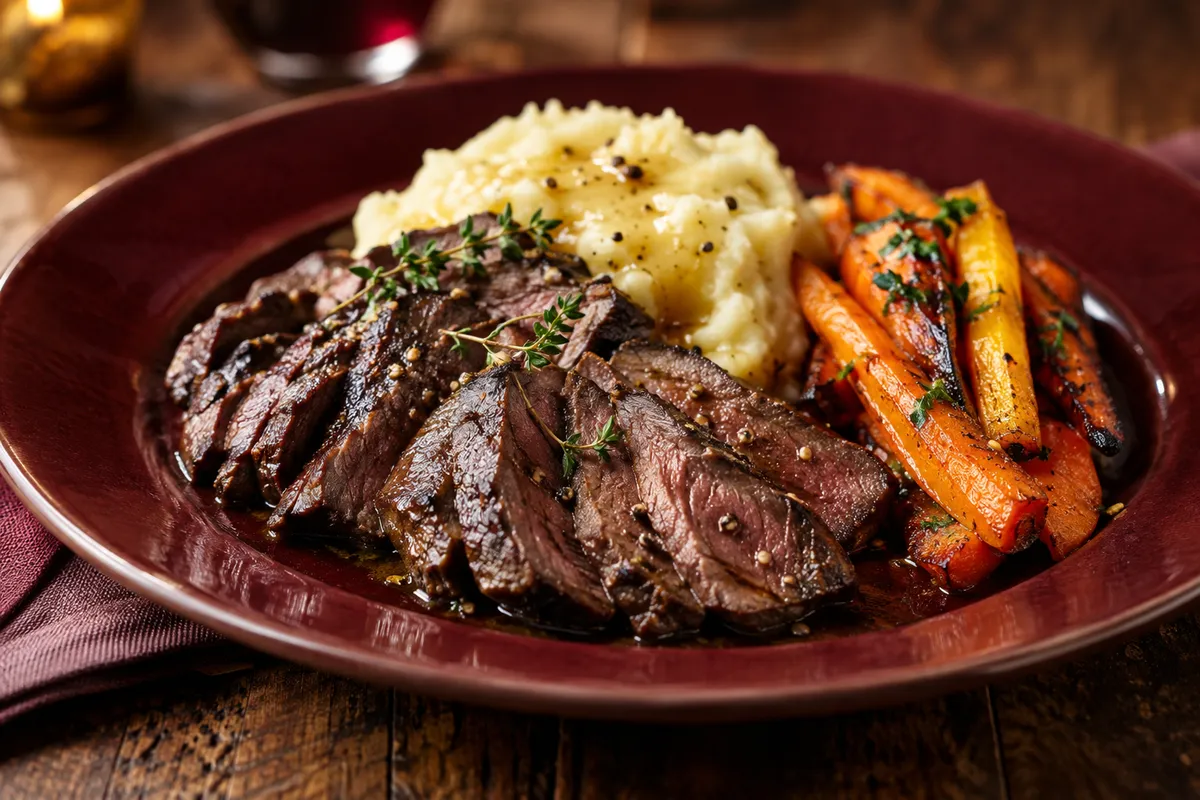
A meal plan that includes offal should remain a varied meal plan. Choose the exact cut you want to cook, place it in one suitable meal and plan the rest of the week around foods you already enjoy. There is no need for daily organ-food targets. Frequency needs particular attention for liver and liver products, and pregnancy means leaving those foods out.
Start with the rest of the meal
Plan vegetables and a starchy accompaniment that works with the recipe, such as potatoes, rice or bread. These foods bring different textures and help make dinner substantial. Offal does not supply every component of a varied diet. If the recipe contains a rich sauce, consider the whole dish rather than evaluating only the organ meat. A familiar vegetable side can make a new cut easier to enjoy without disguising it or creating a very restrictive plate.
Rotate protein foods across the week
Other meals can use beans, lentils, eggs, fish or other suitable foods according to preference. A menu does not need to be carnivore to include offal, and enjoying one cut does not commit you to eating all organs. When planning liver, include liver products already eaten elsewhere, such as pâté, rather than counting only a dinner labelled liver. Follow individual advice when a medical condition affects food choices. A website can offer a framework but cannot prescribe the right frequency for every person.
A practical example
A prepared heart dish might be served with potatoes and vegetables in a week that also includes lentil soup and fish or another suitable protein meal. Liver requires its own frequency and suitability check. The examples illustrate variety, not a prescription to eat any particular cut.
Try it this week
Write your next week’s dinners before adding offal. Choose one meal where the cut and recipe fit naturally, then check liver-product frequency if relevant. Keep a backup meal in case the butcher does not have the cut or you decide not to cook it. A practical plan should not depend on a hard-to-find ingredient.
- Have I planned vegetables and an accompaniment?
- Does liver appear elsewhere in the week?
- Is there a straightforward backup meal?
Keep the wider picture in view
Offal is optional, and choosing not to eat it does not mean a varied diet is missing a compulsory superfood. People can obtain nutrients through different foods, fortified products or appropriately advised supplements when needed. The important distinction is between enjoying a cut as food and using it to self-treat symptoms.
A recipe cannot determine whether someone has anaemia or another condition, and a nutrient table does not decide individual suitability. General adult examples also cannot account for every pregnancy, medicine or medical restriction. Keep your existing care plan and ask a focused question if you are unsure. In the kitchen, use reliable food-safety instructions for the exact cut and preparation.
The phrase nutrient-dense does not remove storage, cooking or portion considerations.
Decide what to repeat
After a first attempt, assess the practical details separately. Was the cut easy to obtain? Did preparation fit the time available? Did the dish suit the people eating it? If the answer is no, changing the recipe or choosing a different protein food may be more useful than buying a larger quantity.
You do not have to make an unfamiliar food part of your routine simply because it has a long history. If it does work for you, retain the preparation notes and current safety guidance so you can repeat the meal thoughtfully. Keep liver frequency and individual suitability separate from preferences about taste.
Sources and further reading
- NHS: vitamin A and liver precautions
- NHS: meat in your diet
- Food Standards Agency: cooking food safely
Keep exploring
- Offal for beginners: understanding liver, heart and kidneys
- Offal nutrition: why liver and vitamin A need care
- Buying and storing offal: questions to ask before cooking
- Offal safety: liver in pregnancy, supplements and health claims
- Cooking offal for beginners: choose the right preparation
Keep exploring the practical questions.
Explore the guides