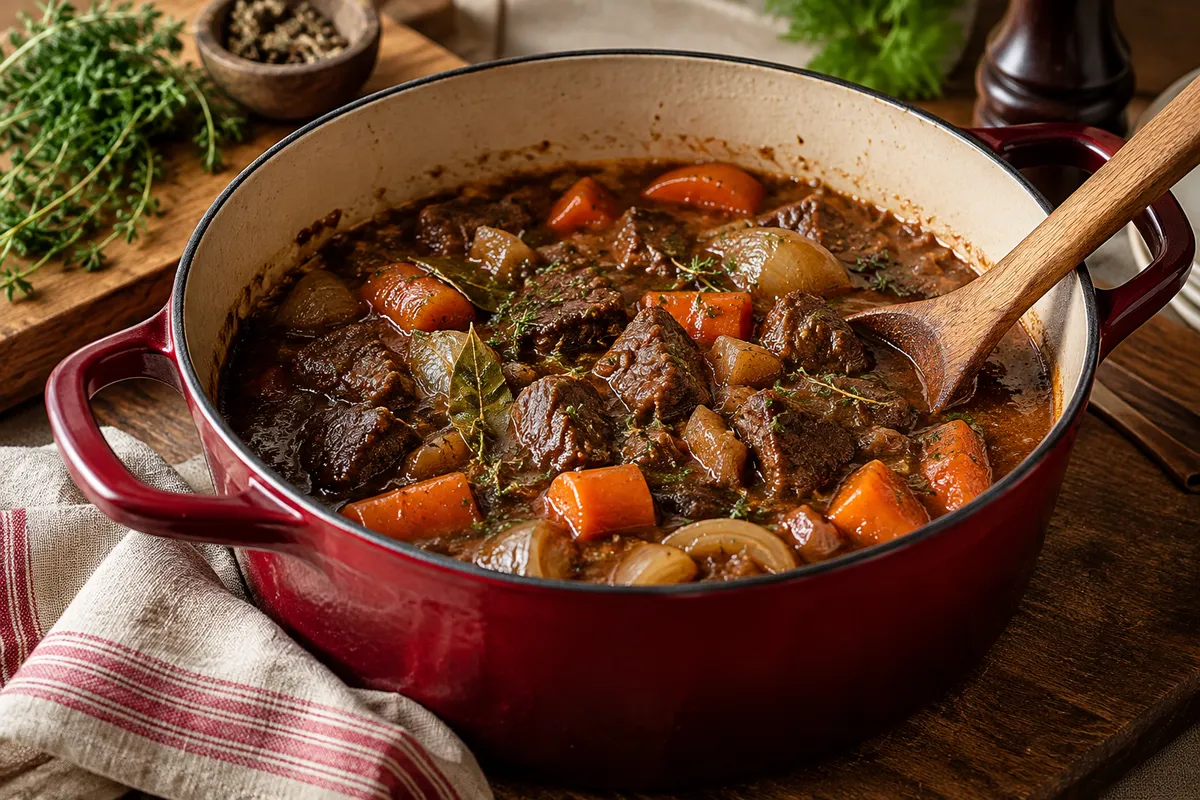
A successful first offal dish depends more on choosing the right method than on collecting unusual ingredients. Find a reliable recipe written for the exact cut and follow it carefully. Different organs need different handling, trimming and cooking. This guide offers a preparation framework rather than universal cooking times, because the size, animal and recipe can change what is safe and suitable.
Read the whole method before starting
Identify which preparation steps happen before the pan is heated. Ask a butcher about trimming if the recipe assumes prepared pieces. Arrange raw-food handling separately from ready-to-eat ingredients and keep utensils clean. Check whether the recipe requires a quick preparation or a longer cooking method before choosing it for a weeknight. Do not substitute liver, heart or kidneys into one another’s methods simply because they are all called offal. The cut is the starting point for cooking decisions.
Build flavour without hiding the ingredient
Onions, herbs, suitable seasoning and an appropriate accompaniment can help create a familiar meal. Choose a recipe whose flavour you think you will enjoy rather than forcing a strong-flavoured food into a favourite dish that cannot support it. Prepare vegetables and the starchy side so they finish at the right time. Follow reliable food-safety instructions for cooking and handling, especially when serving others. If liver is involved, check frequency and suitability before treating the finished dish as a regular meal.
A practical example
A recipe for prepared heart pieces may use a different method from a liver-and-onion dish. Both can be served with vegetables and an appropriate starch, but that shared meal structure does not make their cooking instructions interchangeable. Use the correct recipe, and choose a different cut if the available preparation does not suit your time.
Try it this week
Pick one recipe, identify the exact cut and ask what preparation is already done. Make a short timeline for the main dish and sides. Cook only the quantity you can reasonably serve or safely store. After eating, note whether the issue was flavour, texture or the method, so the next decision is specific rather than simply declaring all offal good or bad.
- Is this method intended for the exact cut?
- Have I planned safe raw-food handling?
- Are the sides ready at the right time?
Keep the wider picture in view
Offal is optional, and choosing not to eat it does not mean a varied diet is missing a compulsory superfood. People can obtain nutrients through different foods, fortified products or appropriately advised supplements when needed. The important distinction is between enjoying a cut as food and using it to self-treat symptoms.
A recipe cannot determine whether someone has anaemia or another condition, and a nutrient table does not decide individual suitability. General adult examples also cannot account for every pregnancy, medicine or medical restriction. Keep your existing care plan and ask a focused question if you are unsure. In the kitchen, use reliable food-safety instructions for the exact cut and preparation.
The phrase nutrient-dense does not remove storage, cooking or portion considerations.
Decide what to repeat
After a first attempt, assess the practical details separately. Was the cut easy to obtain? Did preparation fit the time available? Did the dish suit the people eating it? If the answer is no, changing the recipe or choosing a different protein food may be more useful than buying a larger quantity.
You do not have to make an unfamiliar food part of your routine simply because it has a long history. If it does work for you, retain the preparation notes and current safety guidance so you can repeat the meal thoughtfully. Keep liver frequency and individual suitability separate from preferences about taste.
Sources and further reading
- NHS: vitamin A and liver precautions
- NHS: meat in your diet
- Food Standards Agency: cooking food safely
Keep exploring
- Offal for beginners: understanding liver, heart and kidneys
- Offal nutrition: why liver and vitamin A need care
- Planning offal meals without making offal the whole diet
- Buying and storing offal: questions to ask before cooking
- Offal safety: liver in pregnancy, supplements and health claims
Keep exploring the practical questions.
Explore the guides